Your Solution for Active Shooter Awareness Workshops, Security Awareness Training and Antiterrorism Courses.
Protecting the Homeland Training (PHI Training) provides workshops and training solutions for schools, private businesses, organizations, Stadiums,casinos Healthcare facilities, security professionals and law enforcement.
yOur training solution
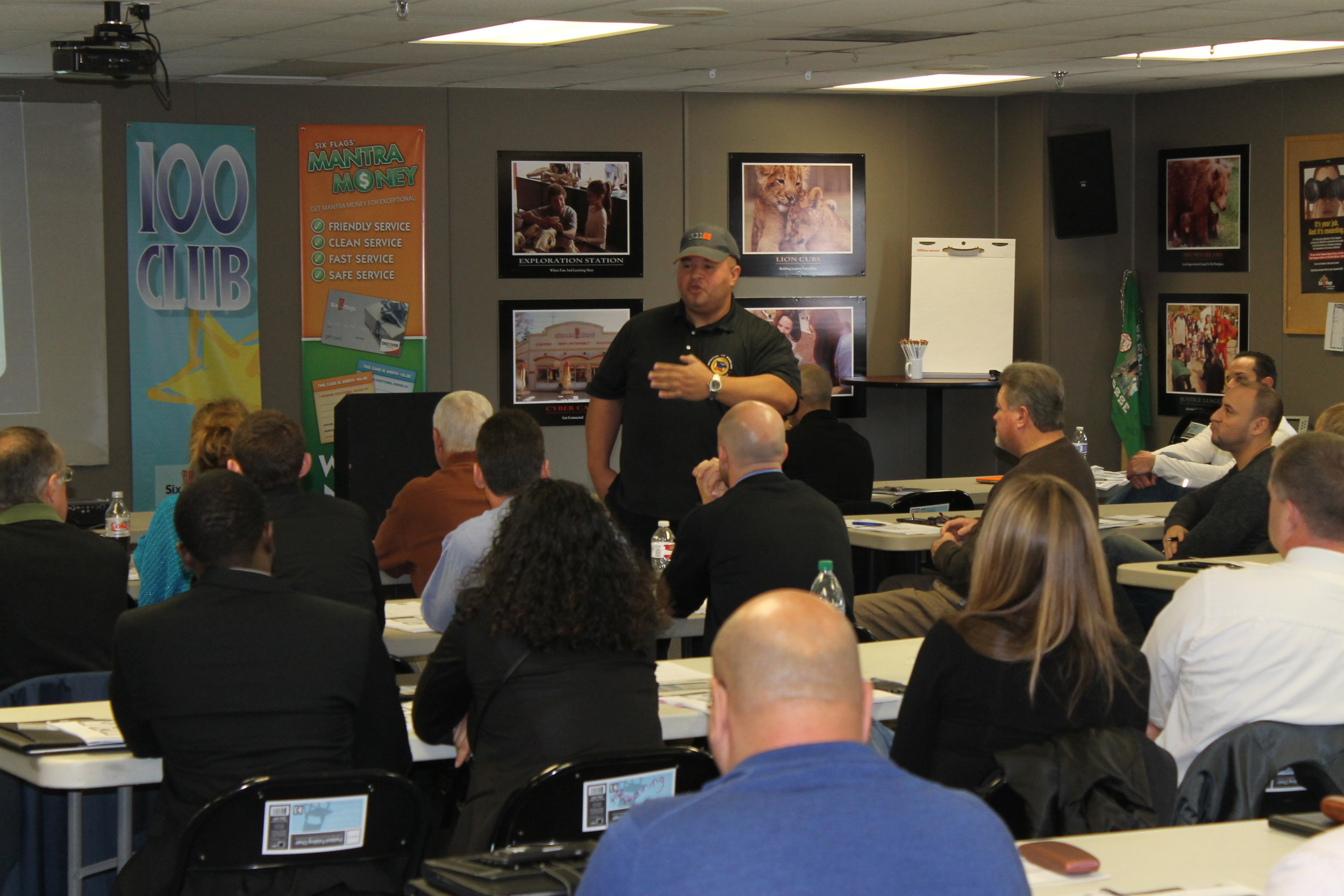
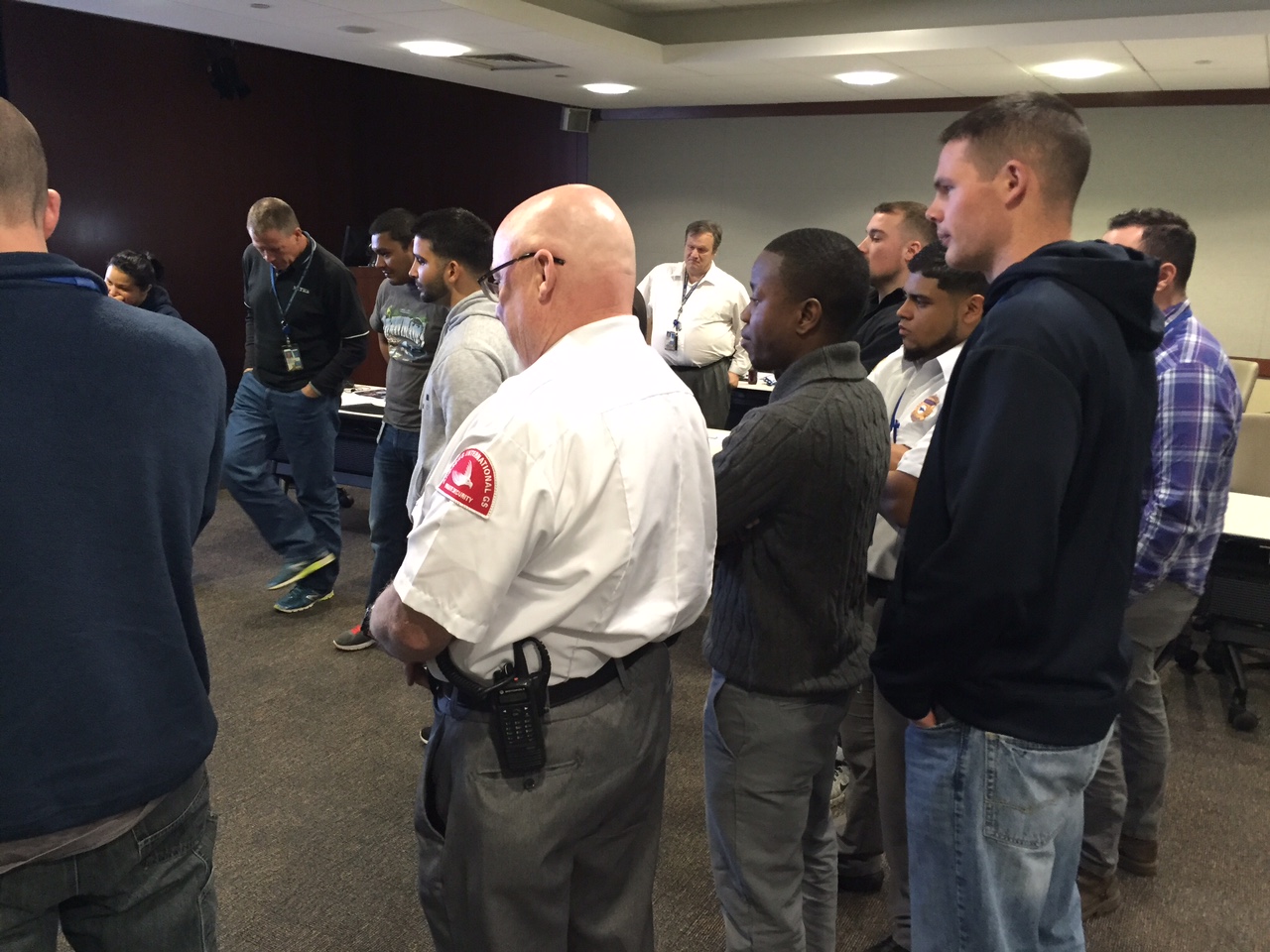
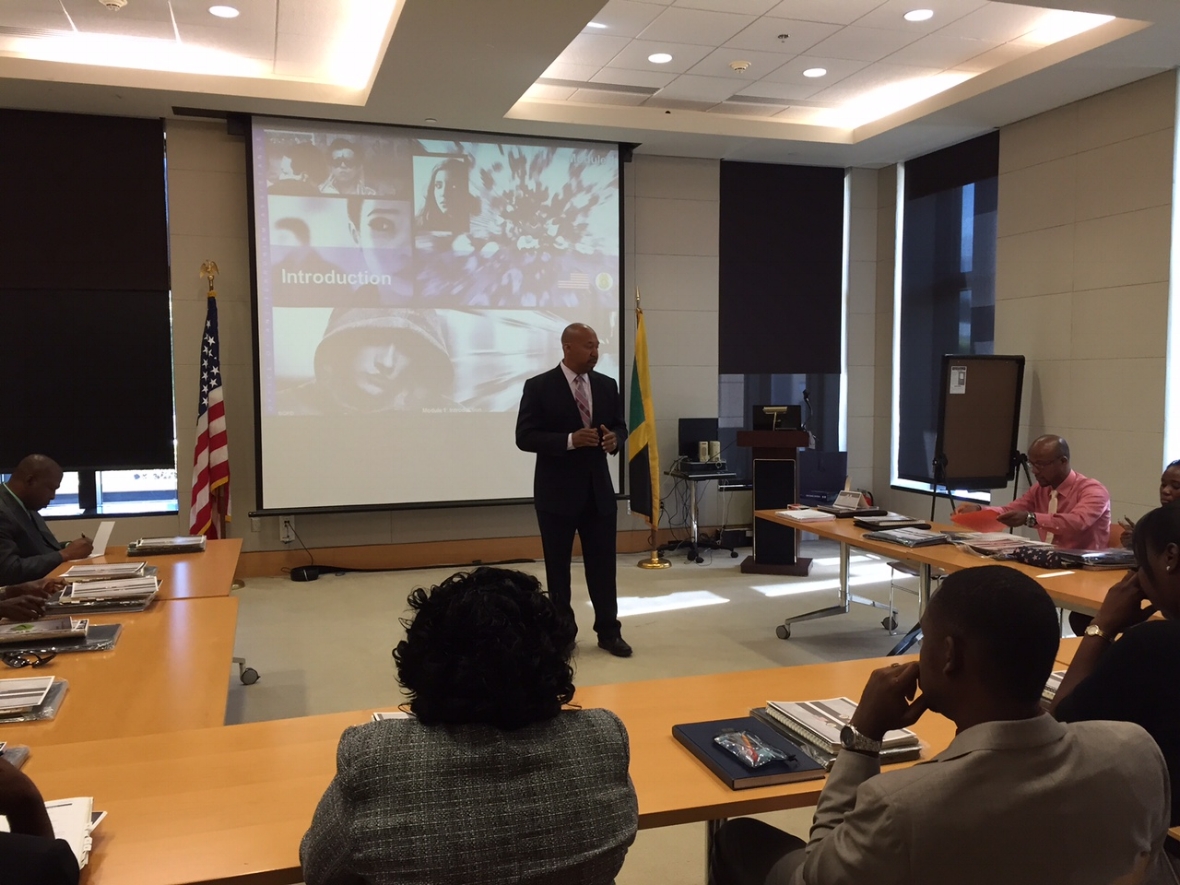
We are a Massachusetts based training firm providing active shooter training for civilian frontline employees and security professionals. Our philosophy in training is to take a crawl, walk, run approach to adult learning.
Todd McGhee
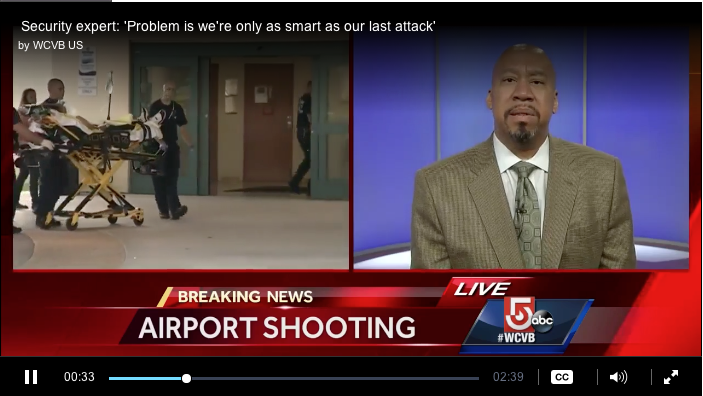
Todd McGhee is Managing Partner and Co-Founder of PHI Training. He is an international speaker subject matter security analyst for main stream news media since 2011, providing insight and analysis on today's breaking news.
Interactive Training
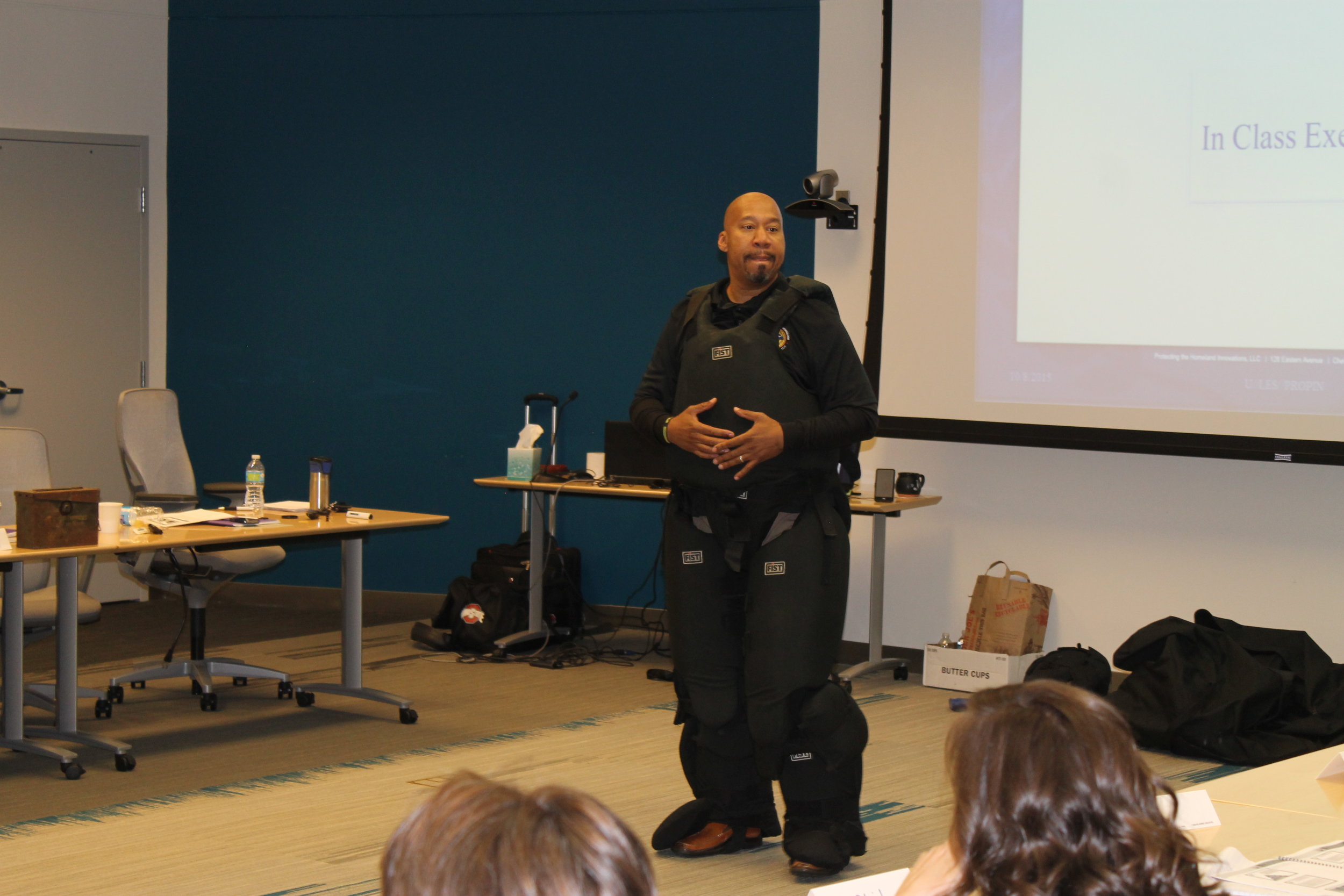
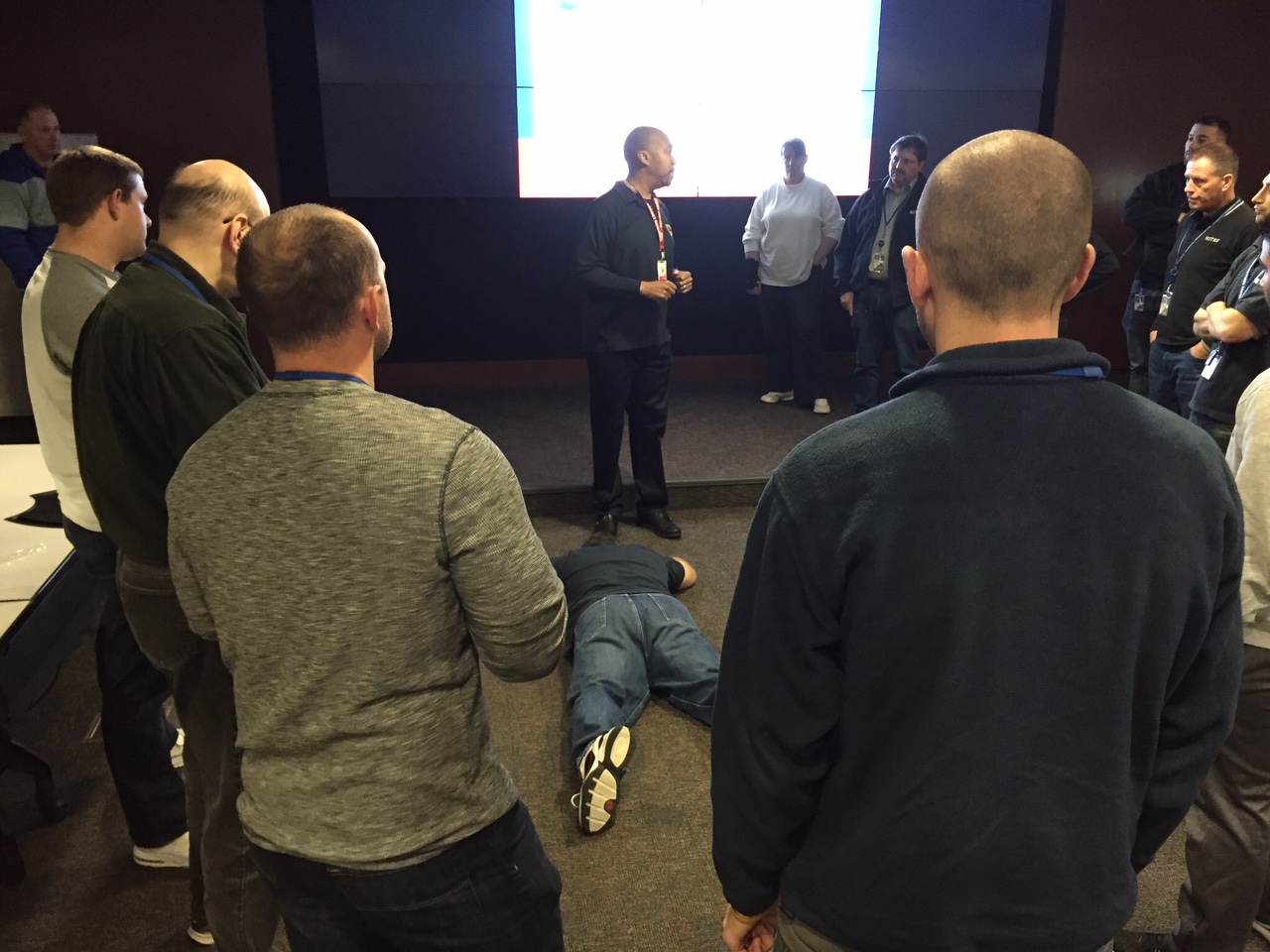
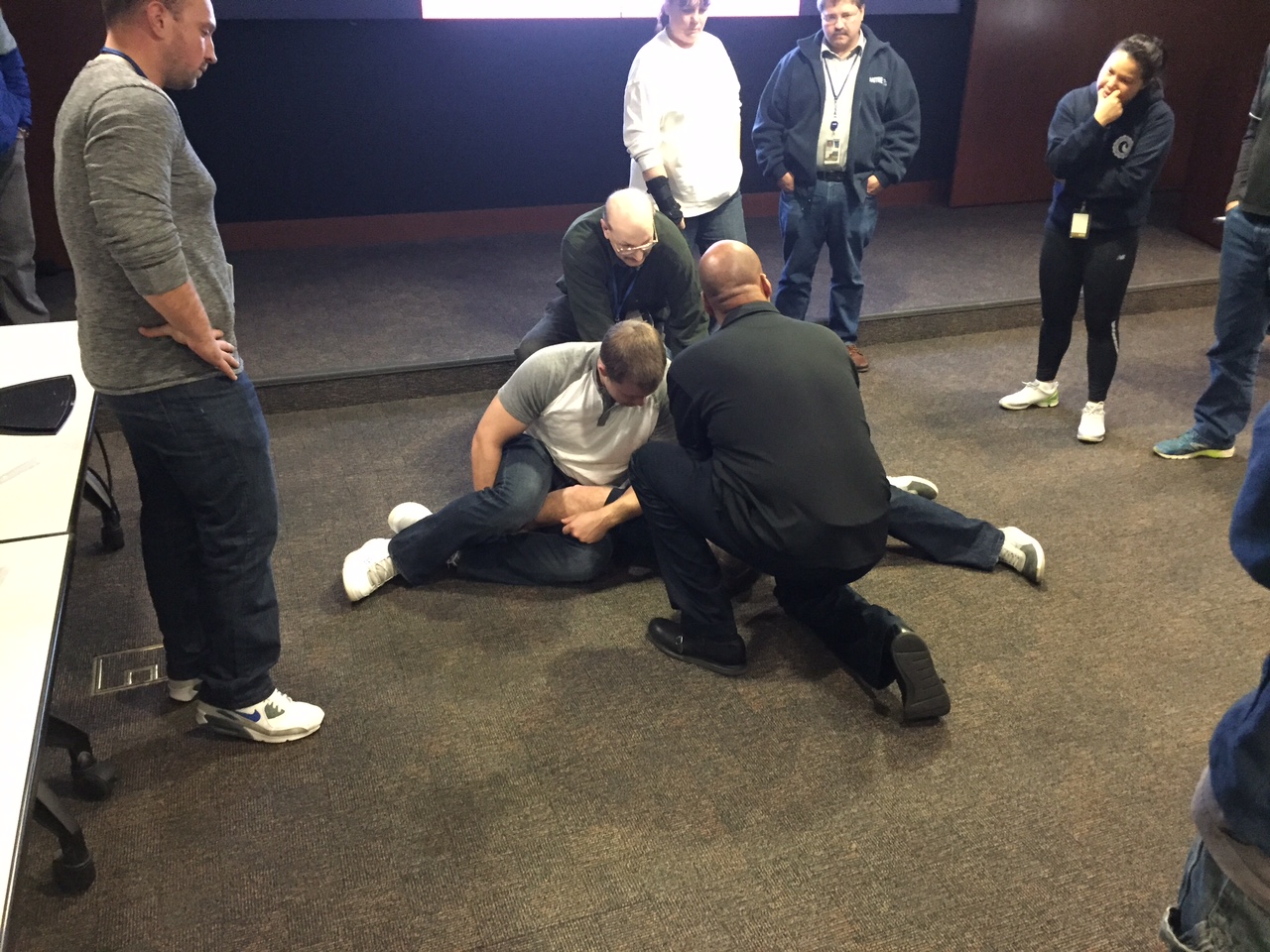
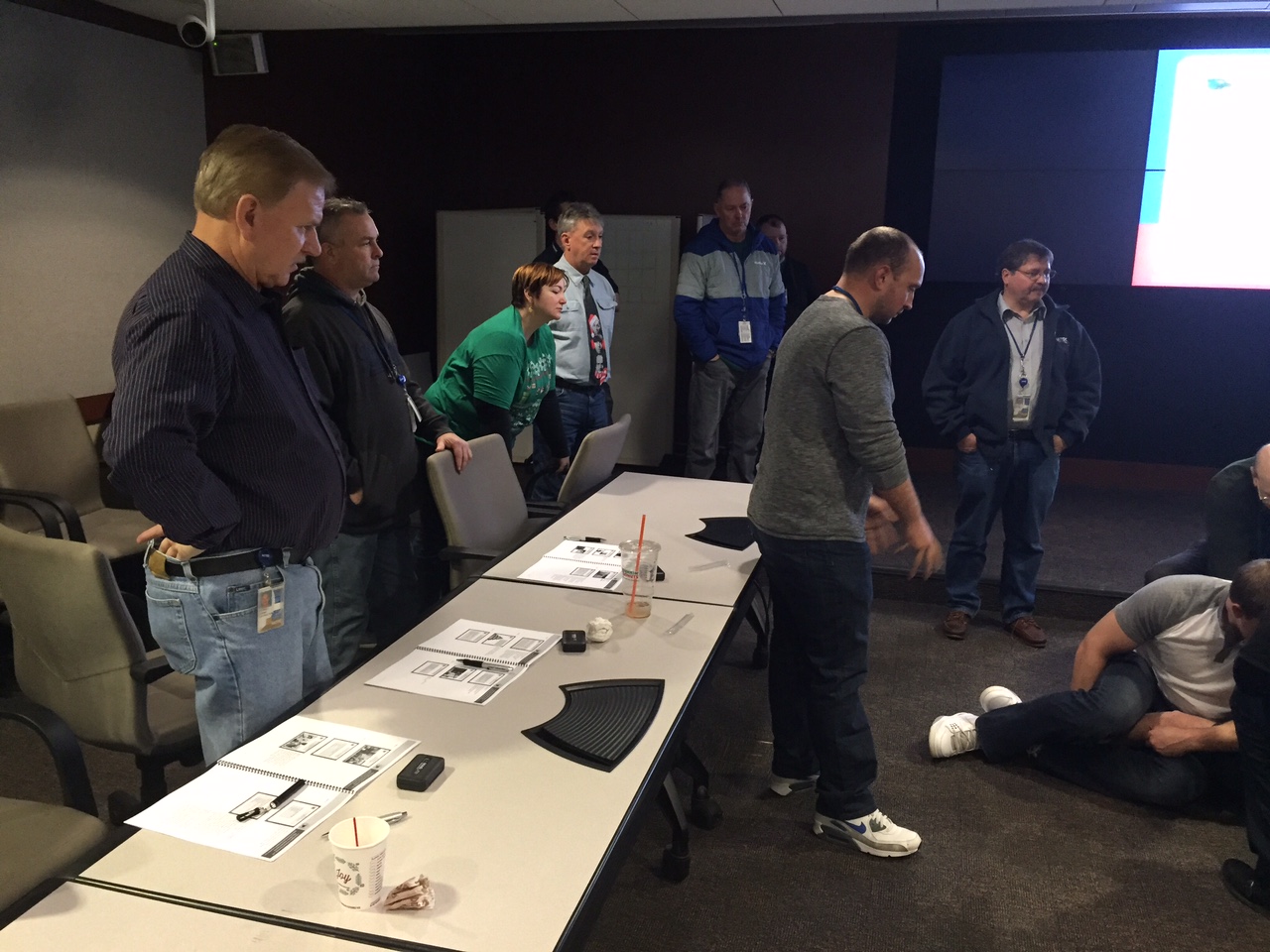
PHI Training brings safe realistic training into the classroom. If you're only interested in lecture based training, we incorporate table top exercises to enhance the learning environment. If you want an unforgettable training experience, we can provide safe realistic training into the classroom.